
Treating and Training the Female Runner
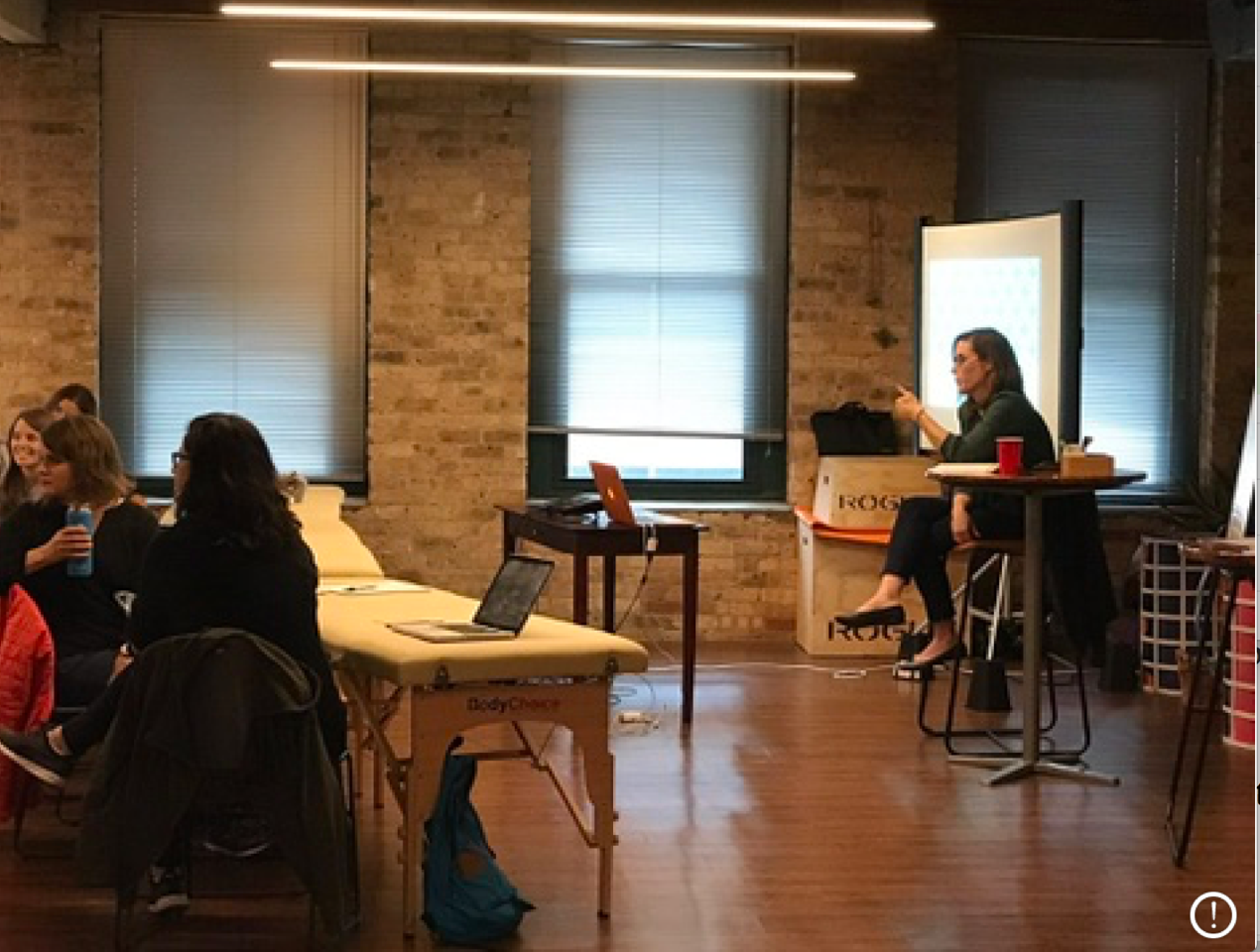
Treating and Training the Female Runner
Date: September 26-27, 2020
Instructor: Julie Wiebe, PT
Course Description: The female runner presents practitioners with unique challenges. Women are 2x more likely to sustain a running injury than men; experience a higher rate of incontinence than age-matched women in the general population, and need to navigate the changes brought by pregnancy and postpartum to continue to participate in their sport of choice. It is critical that both male and female orthopedic, sports medicine, and pelvic health professionals recognize and have skills to address the inter-relationship of musculoskeletal, performance and pelvic/abdominal health needs of female runners in their care. These issues are intertwined within the brains and bodies of athletic females, we can no longer separate them in our clinical and fitness programming.
All professionals that treat female runners need to be able to understand at depth, reason through and build programs that answer clinical questions such as:
● How can we use running to return women to optimal musculoskeletal, pelvic and performance health, instead of eliminating it until they are “better”?
● How does impact control, or lack thereof, simultaneously contribute to common musculoskeletal and pelvic health presentations in female runners?
● How do we create dynamic control for a runner versus stiff stability offered by abdominal hollowing, holding or “core” stabilizing ideas?
● Why are young women who have never had children leaking during running and how does that affect running efficiency and performance?
● How do we harness optimal intra-abdominal pressure for trunk control without contributing to pelvic and abdominal health issues?
● How do you build a program to prepare a new mom to return to running post-partum?
● How are painful hips or low back while running and painful sex intertwined?
● What is the path back to running for women with pelvic organ prolapse?
● How does diastasis recti impact trunk and pelvic control in running?
● What running form considerations common to females can be modified to address musculoskeletal, pelvic/abdominal, and performance needs?
● How do we build resilience in our female runners to prevent future injuries?
This hybrid online/live 2-day course** will blend theory and practice to bridge the gap between our understanding of musculoskeletal, and sports performance with pelvic, abdominal and pregnancy/postpartum health considerations for female runners. The course is intended to be an entry-level (and all external) opportunity for musculoskeletal and sports medicine practitioners unfamiliar with pelvic health AND pelvic health providers unsure of how to prepare a patient for a return to sport to gain the foundational knowledge, clinical reasoning and relevant skills to integratively assess and address the full clinical picture for their female runners.
*(Information, reasoning, and strategies can be applied to other types of female athletes).
**Participants are required to complete a 2-hour online module that provides the evidence and conceptual foundation for the approach Julie Wiebe takes with female athletes. This module must be completed at least 2-months prior to attending the live course. This will provide participants time to apply the concepts clinically, develop questions, generate robust conversation and allow us to pursue more advanced topics in the live component. Module One will not be reviewed but applied out of the gate in the live portion. You will need to provide a Module One completion certificate to receive course handouts.
Course Objectives:
At the conclusion of this course participants will be able to:
Articulate the challenges facing female runners due to unique anatomical, physiologic, pressure and neuromuscular variables.
Distinguish between the demands (speed, endurance, load, impact, intra-abdominal pressure etc.) placed on the stability system of a female runner by different fitness and sport pursuits in order to develop targeted treatment strategies to meet those demands.
Discuss the evidence demonstrating the link between the central stability and pelvic health systems to broaden practitioner theoretical understanding of intervention strategies that simultaneously impact both systems.
Recognize the relevance of pelvic health considerations to musculoskeletal and performance issues in orthopedic and sports medicine clinical settings.
Develop clinical strategies that access the anticipatory postural control system through breath mechanics interventions, muscular recruitment order, pelvic floor integration, alignment support, and intra-abdominal pressure management to promote continence, prolapse and diastasis management within fitness activities.
Learn to monitor, cue, and modify function and fitness form and strategies to facilitate impact attenuation, manage intra-abdominal, and promote proximal hip control in order to simultaneously optimize pelvic, musculoskeletal and performance health.
Course Schedule:Day One:
8:00-8:30-Registration
8:30-8:45-Introductions and Course Orientation
8:45-9:45- Linking breath, pelvic and abdominal health with central control (Pre-Req. Pop Quiz)
9:45-10:30: Application to Female Runners
10:30-10:45-Break
10:45-12:00-Clinical Reasoning for the Female Runner
12:00-1:00- Lunch - Provided on site1:00-2:00- Assessing the Female Runner (An ALL EXTERNAL and functional approach)
2:00-2:45-Lab assessment techniques
2:45-3:00- Break
3:00-5:00- Assessment and Collective clinical reasoning of a live volunteer from the community
5:00-5:30-Q and ADay Two:
8:30-9:00- Q and A; Review9:00-10:00- Female Running Assessment Part Two-interpreting video from a pelvic health perspective
10:00-10:15-Break
10:15-11:00- Building a program to prepare for running (“Make it look like running-yo”)
11:00-11:30-Lab
11:30-12:15- Running as Intervention: Clinical Decision Making When to Return to Run
12:15-1:15- Lunch- Provided on site
1:15-2:15- Collective treatment planning for Community Volunteer
2:15-2:30- Break
2:30-4:30- Treatment Progressions/Regressions/Ongoing Plan for community volunteer
4:30-5:00-Final synthesizing comments
5:00-5:30 Q and A
Pre-Requisite:
Module One of Piston Science Part One (completed at least 1 month prior to the course). This can be done online here.
Bring a video of one or two runners (and/or your own running) with written permission to share with others and use for labs. Videos should be from the front, side, and behind.
Sign and return the course Terms and Conditions. (these will be emailed following your registration)
Suggested: Modules One to Four of Piston Science Part One